
At COMET, we believe innovation is rooted in science. Through extensive research and clinical studies, we ensure our ingredients deliver proven health benefits supported by credible evidence.
Arrabina is a naturally diverse fiber, rich in arabinoxylan, delivering powerful benefits and unique properties.
The fiber’s longer chain polysaccharide structure makes it better tolerated by the gut than oligosaccharides as it is digested later in the GI tract. The longer chain also has functionality benefits as it is not as vulnerable to degradation in low pH and high temperature cooking applications.
Arabinoxylan is abundant in nature. In fact, it makes up about 70% of the soluble fiber naturally found in grains1. Yet, large quantities of processed whole grains are needed for a single serving size of soluble arabinoxylan fiber.
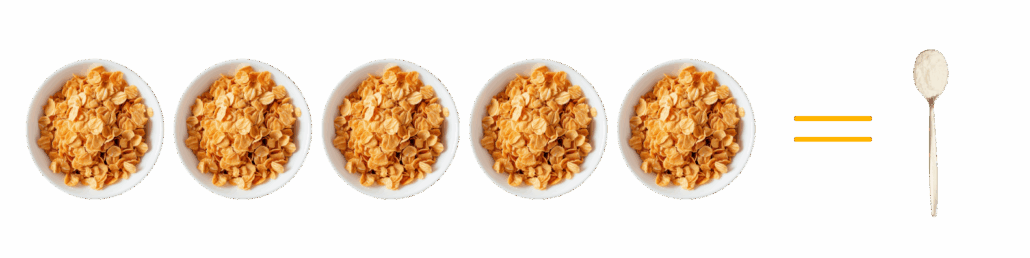
~ 5 cups of wheat bran cereal2
~ 3.5 grams3
ONLY COMET solved this problem using our patented upcycling technology to unlock arabinoxylan’s potential and make it available in our line of Arrabina dietary fiber.

Published research on healthy adults found xylan consumption results in:
Growth of Bifidobacteria, SCFA production and digestive health benefits4
Glucose metabolism support5

Cutting-Edge Cryptobiotix SIFR® predictive technology
Demonstrated prebiotic efficacy & SCFA production at low doses

Established tolerance at >15g a day4
Confirmed bifidogenesis/
prebiotic effect4
Second RCT confirms novel prebiotic health benefits, including cardiovascular health support6
We value the scientific experts who guide and support research on the role that Arrabina dietary fibers can play in health and wellness. We are grateful for their counsel as we determine priorities, strategies and direction to validate the powerful nutritional value of our prebiotic ingredients.

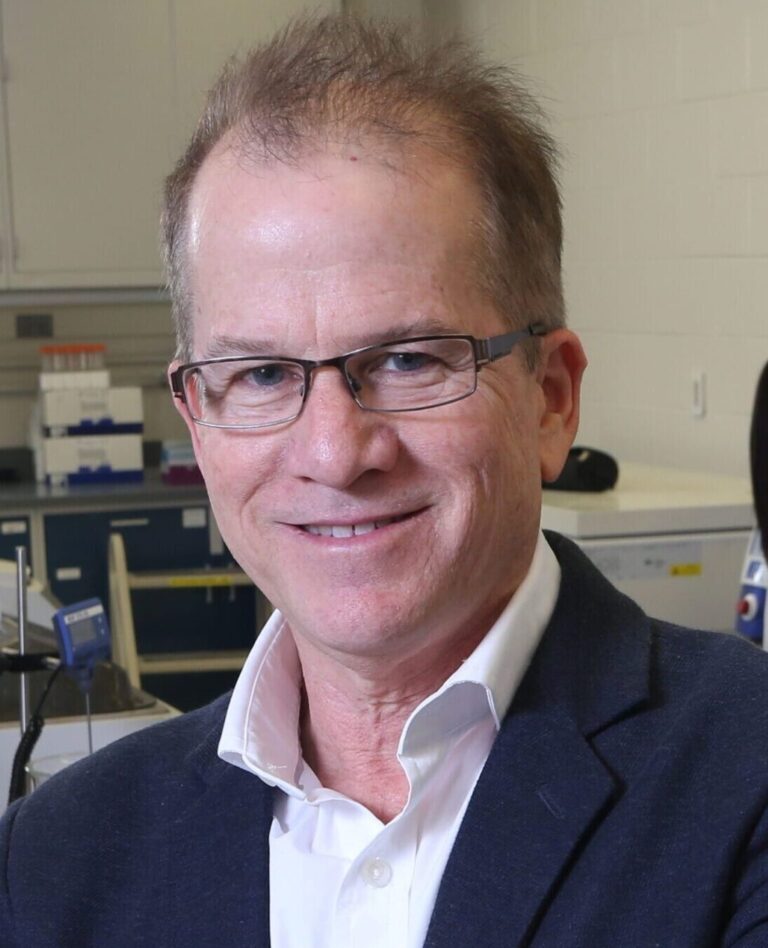
Bruce R. Hamaker is a Distinguished Professor of Food Science at Purdue University, West Lafayette, Indiana. He also holds the Roy L. Whistler Chair and is Director of the Whistler Center of Carbohydrate Research. He obtained his undergraduate degree in biological sciences from Indiana University; his graduate studies were in human nutrition (M.S.) and food chemistry (Ph.D.) from Purdue University, and post-doctoral study at the Instituto de Investigacion Nutricional in Lima, Peru (supervisor, George Graham, Johns Hopkins University). He has over 360 refereed publications in food science, human nutrition, biochemistry and broad-spectrum journals, as well as numerous book chapters. Bruce’s research is known in the area of food carbohydrates with emphasis on dietary fibers and the gut microbiome, and glycemia and physiological systems.

Kristin Verbeke graduated as a pharmacist from KU Leuven, Belgium. After obtaining her PhD in Pharmaceutical Sciences, she continued her research in developing radioactively labeled compounds. She later joined the Dept. of Gastroenterology Medical Faculty of the Leuven University working with stable isotope labelled compounds and gastrointestinal functions. Her team has developed advanced analytical techniques using mass spectrometry and stable isotope or radioisotopes to study intestinal metabolism and function in humans, including transit time, intestinal permeability, carbohydrate fermentation, protein fermentation, metabolome analysis. She also studies production, kinetics and physiological effects of short chain fatty acids, particularly their role in microbiota-gut-brain communication. From 2010-2020, she held the W.K. Kellogg Co-Chair in Cereal Sciences and Nutrition. She is the past president of the Belgian Nutrition Society, vice-chair of the Leuven Food Science and Nutrition Center and co-chair of the Prebiotic task force at ILSI Europe. She serves on the editorial board of Gut Microbiome (former) and Gastrointestinal Disorders and is a Board member of the International Scientific Association for Probiotics and Prebiotics.

Hannah Ackermann is the VP of Marketing & Nutrition Affairs at COMET. She received her B.S. in dietetics and Honors bachelor’s in journalism from Indiana University Bloomington, where she achieved accolades as an Ernie Pyle Honors Scholar with the Hutton Honors College. She completed both a dietetic internship program to obtain her license as a Registered Dietitian and her M.B.A. with high honors from Dominican University’s Brennan School of Business. Before joining COMET, Hannah worked at global market research and public relations firms, providing nutrition consulting for leading food, beverage, and food service brands. Hannah uses her expertise in nutrition to direct COMET’s clinical and pre-clinical trial strategies, educate customers on Arrabina’s health benefits, and tell its ingredient story.

Andrew Richard is the Chief Technology Officer and Founder at COMET. Andrew received his B.E.Sc. degree in biochemical engineering from the University of Western Ontario, an M.B.A. from the Richard Ivey School of Business and Ph.D. in biochemical engineering at the University of Western Ontario. With his Ph.D. focused on bacterial fermentation and advanced biopolymers, he carried this into the field as the primary developer of COMET’s platform technology that produces prebiotic fibers and value-added products from upcycled materials. Andrew has a successful track record of developing and scaling biomass conversion processes and the production of linerboard pulp from ryegrass straw, including converting cellulose derivatives (ethanol and butanol) into transportation fuels. He is the inventor of COMET’s extensive patent portfolio comprising over 250 patents worldwide. Andrew co-leads COMET’s clinical and preclinical study programs with colleague Hannah Ackermann.
Results from a double-blind, randomized clinical trial confirm the superior GI tolerability of Arrabina. The clinical trial was administered by a leading third party research organization Biofortis. It consisted of 36 healthy individuals who consumed Arrabina at 7.5 grams or 15 grams per day or a placebo.
Participants ranked eight areas for gut and bowel discomfort including gas, bloating, and nausea to compare any potential differences in GI tolerance of the three treatments. Results show that even at a high dosage of 15 grams per day, there were no statistical differences in GI distress between the participants taking Arrabina versus those taking the placebo.
A secondary endpoint of the study was the prebiotic efficacy of Arrabina. The clinical trial confirmed the bifidogenic prebiotic effect of Arrabina.
The results were published in the academic journal Developments in Current Nutrition and presented at the American Society of Nutrition conference.

No significant difference from placebo in GI symptoms after one week of daily use7
With as little as 3.5 grams per day, Arrabina promotes the growth of beneficial bifidobacteria3
Inulin @ 5g/day
Arrabina L @ 2g/day
Arrabina P @ 3g/day
These claims have not been evaluated by the FDA
1) Jing Wang, et al. “Cereal-derived Arabinoxylans: Structural Features and Structure–activity Correlations.” v. 96,. pp. 157-165. doi: href=”https://doi.org/10.1016/j.tifs.2019.12.016″ 10.1016/j.tifs.2019.12.016
2) https://www.postconsumerbrands.com/raisin-bran/wp-content/uploads/sites/37/2016/09/RaisinBran.pdf
3) ISAPP; Windley et al. 2015, Cloetens et al. 2010, Francois et al. 2014, Maki et al. 2012, Walton et al. 2012, Damen et al. 2012, Kjølbæk et al. 2019.
4) Damen, et.Al., 2012; Chen, et.Al., 2021; Windey et al., 2015, François et al., 2014, maki et al., 2012, Collins et al., 2023
5) Hartvigsen et al., 2014a&b, Garcia et al., 2006, Garcia et.Al. 2007, lu et.Al., 2000, lu et.Al. 2004, Falchi et al, 2016
6) Arrabina 2025 RCT; data on file.
7) Oliver Chen, Traci Blonquist, Kristen Sanoshy, Kathleen Kelley, Eunice Mah, The Effect of Arabinoxylan on Gastrointestinal Tolerance in Generally Healthy Adults: A Randomized, Placebo-Controlled, Crossover Study, >, Volume 5, Issue Supplement_2, June 2021, Page 304.
Hannah has over a decade of experience working within the intersection of nutrition and business. As a Registered Dietitian and a Monash Low FODMAP Certified RD, Hannah uses her expertise in nutrition to direct COMET’s clinical trial strategy, educate customers on Arrabina’s health claims, and tell its ingredient story. Before joining COMET, Hannah worked at global market research and public relations firms, providing nutrition consulting for the leading food, beverage, and food service brands.

