
Another year, another Expo West in the books!
As the natural food industry’s biggest event, this year’s show gave us a front-row seat to where functional food and beverage innovation is headed. After spending time on the Expo floor and connecting with industry leaders, the overarching takeaway is clear:
Fiber is no longer a background ingredient—it’s the star of the show.
If 2025 was the year of protein, 2026 is definitively the year of fiber.
But here’s the critical shift we’re witnessing: the science of the microbiome is advancing faster than most commercial frameworks can absorb. Fiber is not a commodity ingredient. It’s a functional, physiological, and highly personal tool.
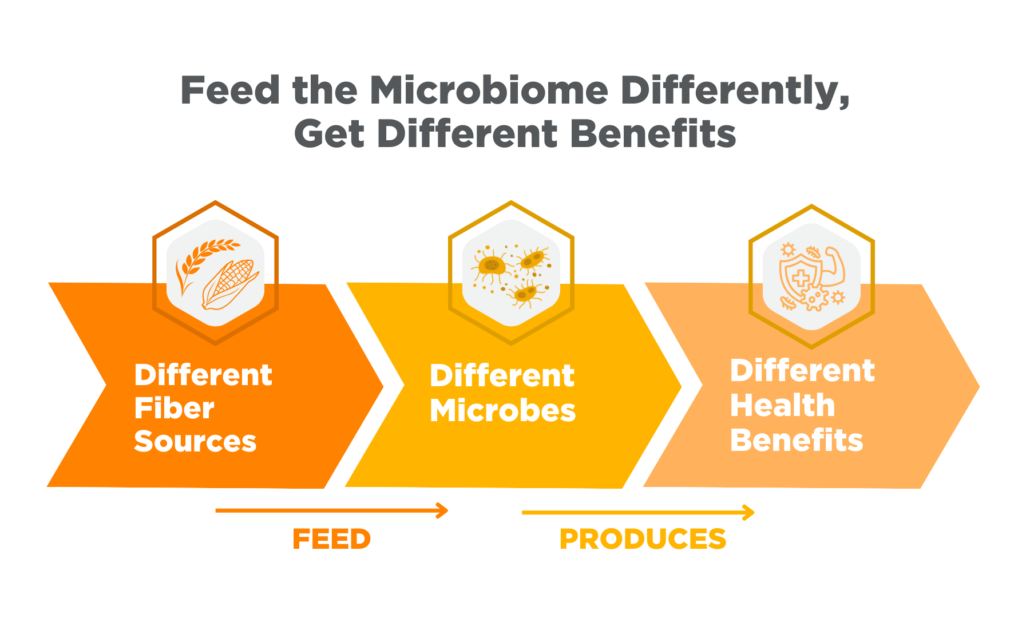
The brands winning at Expo West 2026 know fiber isn’t interchangeable. They choose the right fiber for the right benefit, format, and balance of efficacy, dose, and tolerance.
Here’s what we saw at Expo West 2026 and what it means for the future of gut health innovation.
1. Fibermaxxing: The Movement That's Redefining Functional Nutrition
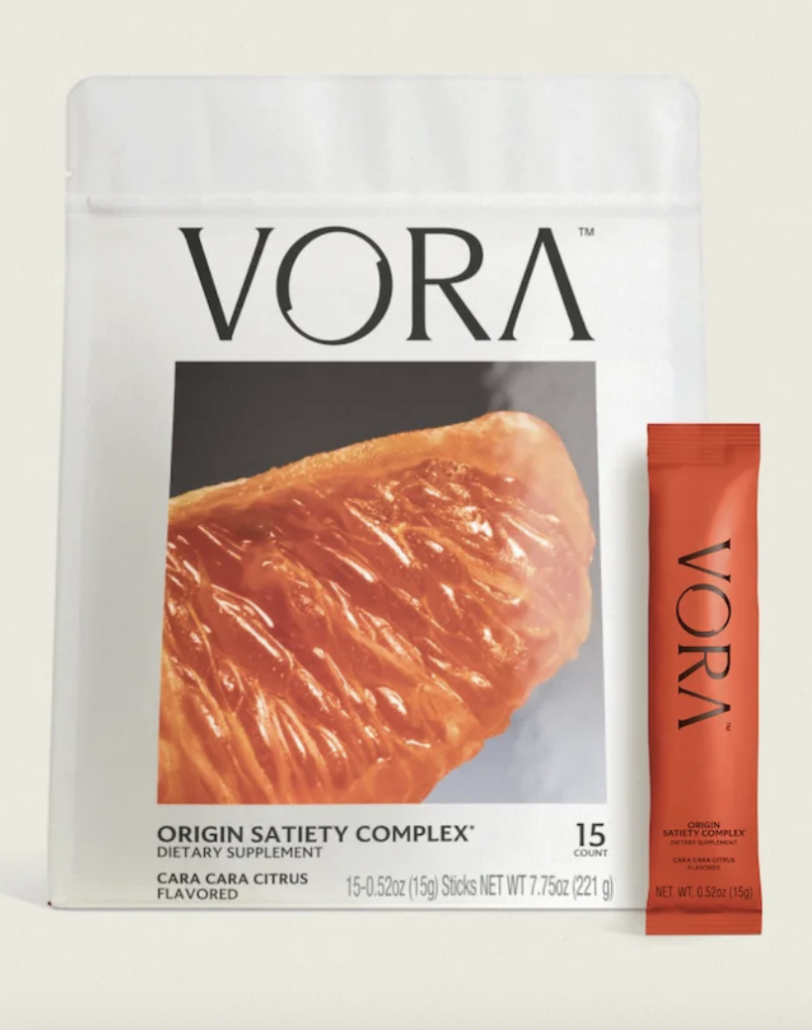
Vora Origin Satiety Complex contains 4g of fiber and is meant to be consumed 3-4 times per day.
If Expo West 2026 proved anything, it’s that fiber has moved from a health requirement to a wellness aspiration. The “fibermaxxing” trend, a more-is-more approach to fiber intake, dominated conversations across the show floor.
This isn’t your grandmother’s Metamucil moment.
Today’s consumers, especially younger generations, are actively seeking fiber for benefits that extend far beyond digestive regularity.
Why the fiber frenzy?
Nearly 70% of global consumers list fiber as a top nutrient they want to increase in their diets.1
The connection between gut health and overall wellness has become mainstream knowledge, with consumers understanding that digestive health influences mental well-being, immunity, bone health, and even skin quality.2
COMET’s 2025 Gut Health Index showed that almost two-thirds of consumers want prebiotic fiber in baked goods and bars, while only 20% want it in powder form.3 This represents a fundamental shift—people want to make healthier swaps for foods they’re already eating rather than adding another supplement to their routine.
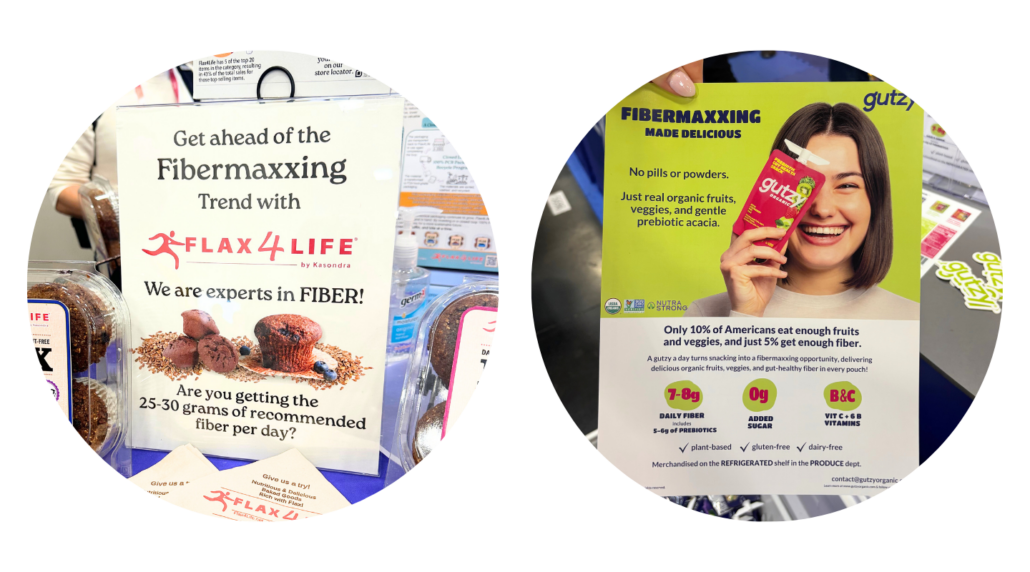
The bottom line: Brands that strategically incorporate high-quality, well-tolerated fiber into everyday food formats will win in this space. But there’s an important caveat—gradual fiber increases and diversity of fiber types matter. Jumping from low habitual intake to the recommended 25-38 grams per day can overwhelm the gut and cause discomfort.
2. Prebiotic Differentiation: The rise of Fiber Type Preferences
The prebiotic soda revolution started it all. Brands like Olipop didn’t just create a new beverage category—they introduced consumers to prebiotics and their unique benefits.
Fast forward to 2026, consumers are developing preferred fiber types, similar to how people have preferences for protein types, such as whey versus pea protein.
How We’re Seeing this Play Out at Expo West 2026:
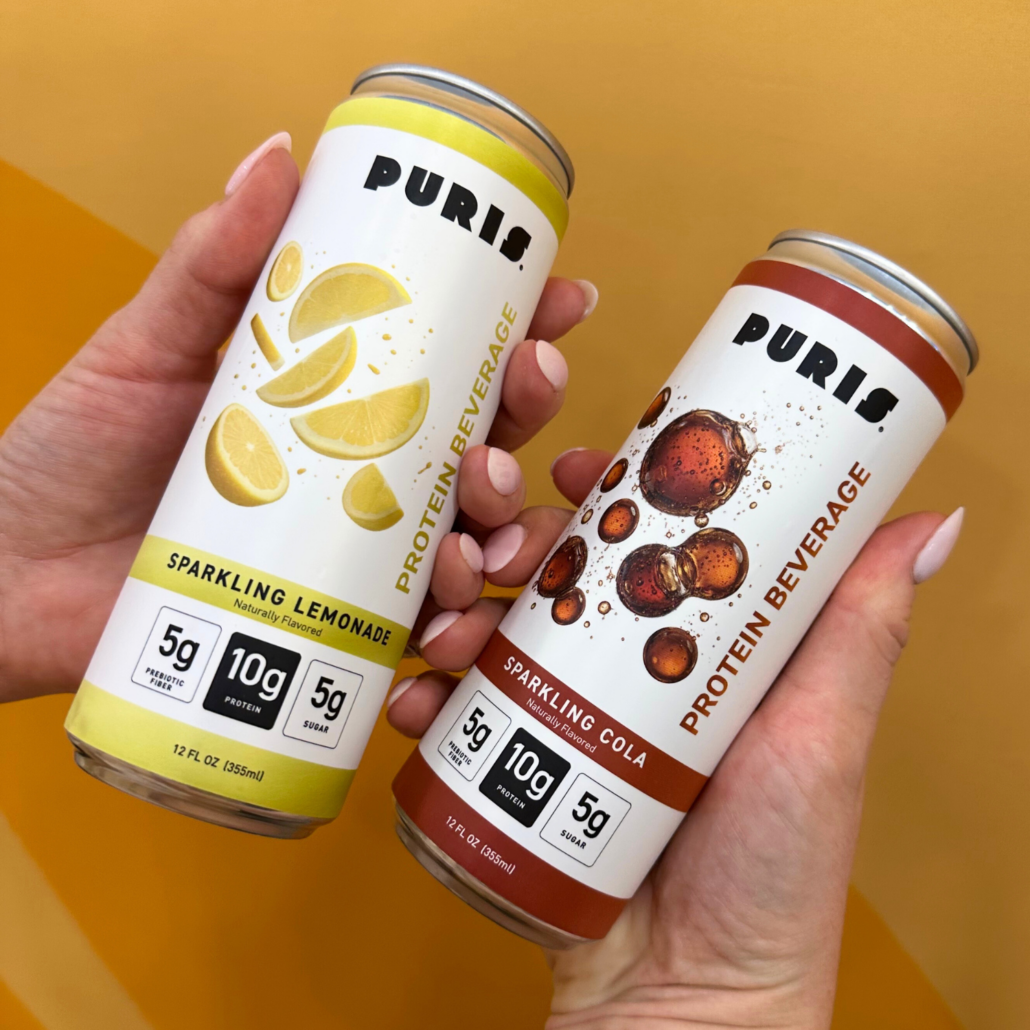
Clear front-of-pack callouts highlighting specific prebiotics, fiber types, and benefits.
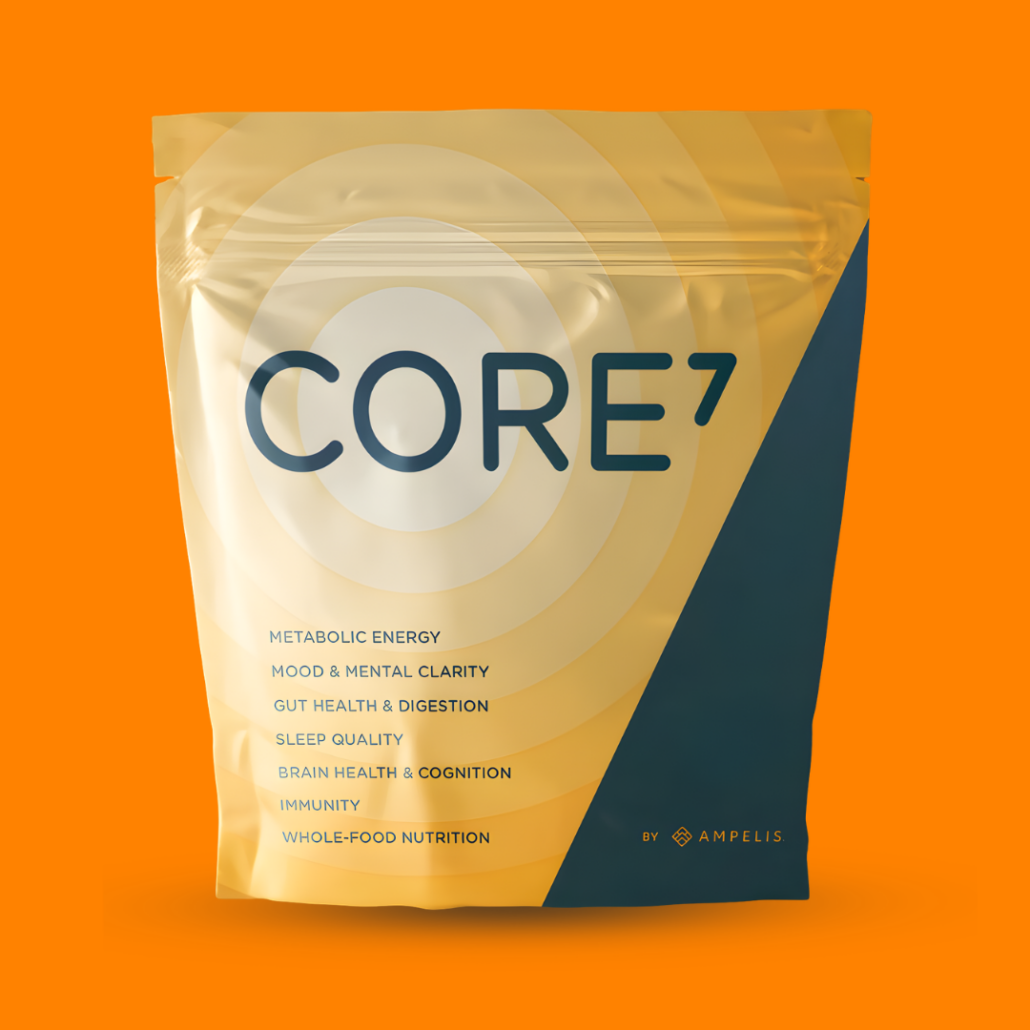
Core 7 utilizes multiple functional ingredients to deliver benefits such as gut health and immunity.

Prebiotic blends that feed diverse gut microbes rather than single-source fiber approaches.
Juice Plus+ Super-Biome offers a blend of prebiotic fibers to support gut health.
Gentle, more tolerable fiber options are becoming a key differentiator for brands targeting consumers with sensitive digestive systems, especially those on GLP-1 medications.
The science matters: COMET‘s Arrabina®, for example, is an arabinoxylan-based prebiotic fiber that’s low FODMAP certified, fully soluble, clinically studied and gentle on the gut—key attributes that differentiate it from commonly used fibers that may cause bloating or discomfort.4
3. Fiber in Unexpected Places: Category Innovation Explodes
If you thought fiber was confined to bran cereals and supplement powders, Expo West 2026 proved otherwise. The show floor revealed fiber innovation in categories we never expected.
Standout Categories showcasing fiber:
Prebiotic Beverages
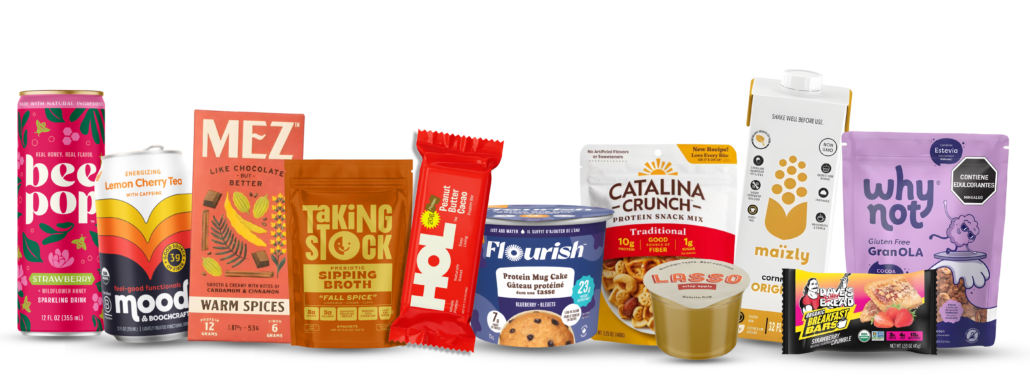
Beyond first-wave brands; new fiber types and formulations focused on tolerance and specific health benefits, such as BeePop.
Bone Broth Products
Taking Stock incorporates Arrabina® prebiotic fiber into bone broth for gut health support while HOL Health Club protein bars use bone broth protein alongside fiber.
Baked Goods & Bars
MEZ bars are a sustainable, better-for-you treat and contain 6g of fiber, and Glow collagen protein bars feature prebiotic fiber to support gut health.
High-Protein Snacks
Fiber + protein pairings for satiety and metabolic health. Examples include Catalina Crunch Snack Mix, which contains 10g protein and offers a good source of fiber. Another innovative snack is Lasso’s gelatin cups which feature 10g of protein and 5g of prebiotic fiber.
Breakfast Products
Fiber entered this space hot from high-fiber milk alternatives from Maizly, to Paranice granola with 13g fiber and Dave’s Killer Bread breakfast bars with a convenient, on the go option.
4. Protein + Fiber: The Dynamic Duo for Metabolic Health
One of the most exciting trends at Expo 2026 was the strategic pairing of protein and fiber.
While protein dominated 2025, smart brands recognized that combining these two nutrients delivers amplified benefits for satiety, metabolic health, and GLP-1 response.
Why this pairing matters:
- Satiety synergy: Both protein and fiber help consumers feel full longer, addressing weight management goals
- GLP-1 support: Prebiotic fibers can increase GLP-1 release, complementing the body’s natural metabolic signaling
- Blood sugar regulation: Low-glycemic fibers paired with sustained-release carbohydrates support stable energy levels
- Digestive health for GLP-1 users: Brands are creating products with prebiotic fiber specifically designed for adults on GLP-1 medications
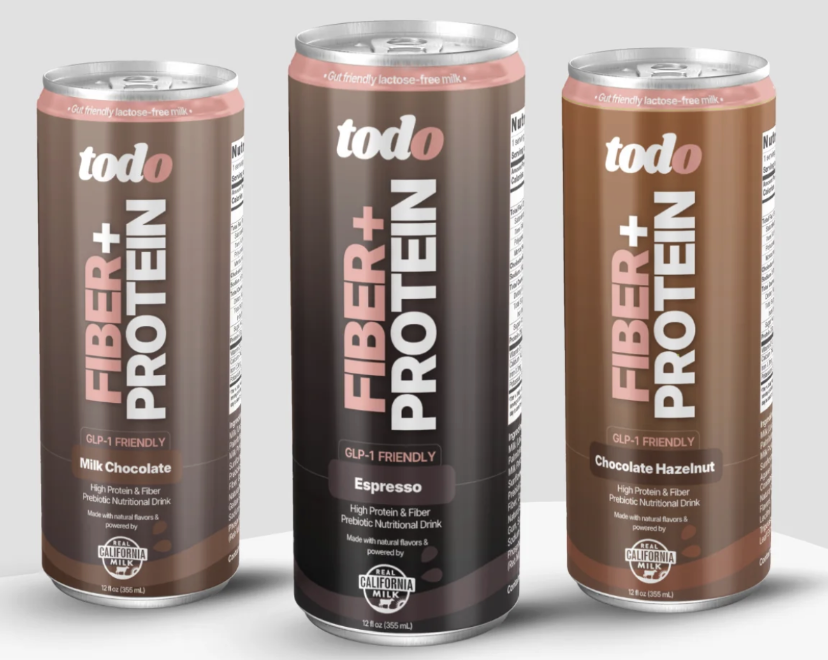
Todo captured this trend with a protein and prebiotic fiber drink delivering 6g of prebiotic fiber and 26g of protein per serving. By supporting digestive wellness and metabolic health, this formulation offers GLP-1 support. The product reflects a larger shift in the category. Functional foods and beverages are no longer expected to do just one thing. Protein + fiber combinations are emerging as a powerful way to deliver multiple, measurable benefits.
Bonus INSIGHT
Conversations ON the Floor: FROM HIGH FIBER to Mechanism-Driven Product Design
Perhaps the most sophisticated shift at Expo West 2026 wasn’t found in the samples on the show floor—it was happening in conversations during R&D strategy sessions and supplier meetings.
The science of fiber and the microbiome is advancing rapidly, but most brands are still operating with outdated frameworks. Generic “gut-friendly” claims and arbitrary “+5g fiber” callouts no longer cut it in an increasingly educated consumer landscape.

What mechanism-based design looks like:
- Selecting fiber for specific outcomes: Rather than adding fiber for fiber’s sake, brands are asking: which fiber type delivers the metabolic outcome, immune support, or satiety benefit we’re targeting?
- Format-by-matrix thinking: Fiber behaves differently in beverages versus baked goods versus dairy matrices. Solubility, fermentability, and tolerability change based on food structure.
- Dose optimization: More isn’t always better. Brands are learning to balance efficacy with consumer tolerance, recognizing that a lower dose of well-tolerated fiber beats a megadose that causes GI distress.
- Predicting fermentation early: Leading brands are using microbiome science to predict how their fiber formulations will ferment in the gut, reducing costly reformulation cycles and consumer complaints.
- Clinical validation vs marketing hype: Determining when clinical evidence is worth the investment—and when mechanism-of-action science is sufficient for credible positioning.
Why this matters now:
Consumers are no longer satisfied with vague claims, and they’re developing fiber preferences, seeking specific formats, and demanding products that deliver on tolerance and efficacy promises. The brands that can translate cutting-edge microbiome science into practical, scalable product solutions will define the next era of functional food innovation.
Looking Ahead: What This Means for Brands
Expo West 2026 was a powerful reminder that fiber and gut health have moved from niche wellness topics to mainstream priorities. The future of functional food is being built on a foundation of diverse fiber types, mechanism-based formulations, and microbiome-aware product design.

Image from NB Pure booth
Key takeaways for brands:

- Fiber is non-negotiable: It’s no longer a functional add-on—it’s a front-of-pack, value-driving message that resonates across generations.
- Move beyond “+5g fiber” claims: Understand which fiber fits your specific health benefit, which format works for your product matrix, and how to balance efficacy, dose, and tolerance.
- Format matters more than ever: Put fiber in foods people already eat (baked goods, bars, spreads) rather than requiring new consumption occasions—and recognize that fiber behavior changes by application.
- Educate on fiber type and mechanism: Help consumers understand which fiber you’re using, why it’s better tolerated or more effective, and what specific outcome it supports.
- Combine benefits strategically: Protein + fiber, prebiotics + probiotics, and fiber + metabolic support create compelling value propositions backed by biological mechanisms.
- Think beyond digestion: Position fiber for satiety, metabolic health, mental wellness, immunity, and skin health using evidence-based mechanisms.
- Prioritize tolerance and predict fermentation: Gentle, well-tolerated fibers with clinical backing will win consumer trust. Use microbiome science to predict digestive response early in development.
- Support gradual adoption: Provide dosing guidance and education on building up fiber intake sustainably—more isn’t always better.
- Bridge the science-to-execution gap: Partner with suppliers and consultants who can translate microbiome research into scalable, stable, and clinically meaningful solutions.
The brands that will succeed understand that fiber goes far beyond bridging a nutritional gap, delivering measurable wellness benefits in formats designed for everyday use.
Want to explore fiber innovation for your brand?
Our team at COMET offers application support and formulation expertise to help emerging brands incorporate prebiotic fiber effectively. Whether you’re developing the next prebiotic muffin, a gut-health-focused snack bar, or a functional beverage, the fiber revolution is just getting started.
References
[1] Nutrition Insight. (2026, January 27). 2026 gut health essentials: Personalization, evidence and multi-strain probiotics. https://www.nutritioninsight.com/news/gut-health-trends-2026-biotics-personalized-nutrition.html
[2] Health-Ade. (2026, January 6). The Best Wellness Trends for Gut Health in 2026. https://health-ade.com/blogs/blog/the-best-wellness-trends-for-gut-health-in-2026
[3] COMET Gut Health Index 2026. https://comet-bio.com/comet-2026-trend-predictions/
[4] Chen, O., et al. (2021). The Effect of Arabinoxylan on Gastrointestinal Tolerance in Generally Healthy Adults: A Randomized, Placebo-Controlled, Crossover Study. Current Developments in Nutrition, 5(Suppl 2), 304.